
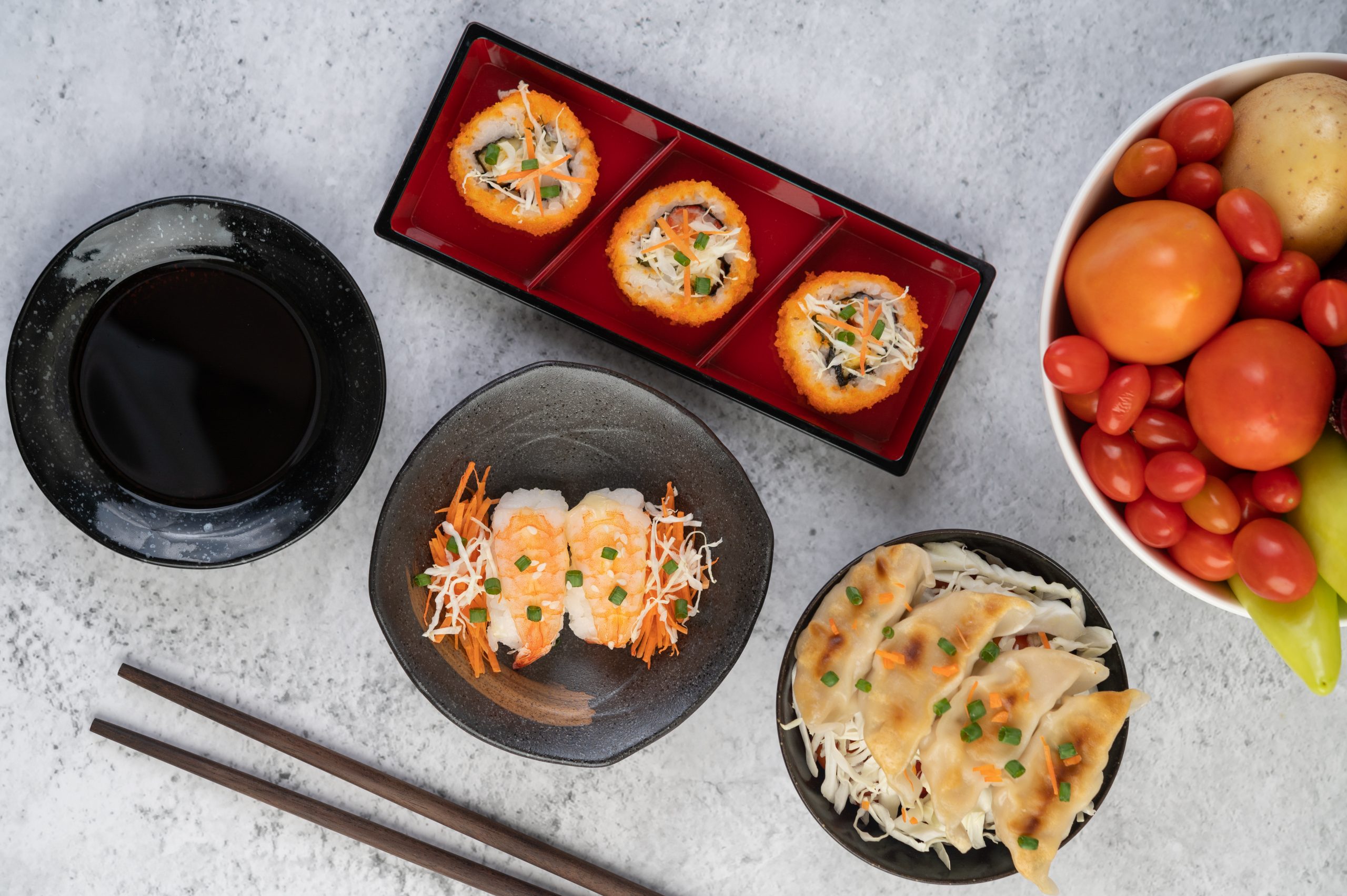
The Secrets of Longevity: Why Japanese Cuisine is a Global Standard for Health
Japanese cuisine, traditionally known as Washoku, is more than just a collection of recipes; it is a philosophy of balance, seasonality, and nutritional density. For decades, Japan has consistently ranked among the nations with the highest life expectancy and the lowest rates of obesity. This health phenomenon is deeply rooted in a diet that prioritizes natural ingredients like vegetables, fish, rice, and soy.
The Nutritional Powerhouse of the Sea
A cornerstone of the Japanese diet is the frequent consumption of fish and seafood. Unlike Western diets that often rely on red meat—which is high in saturated fats—the Japanese preference for salmon, mackerel, and tuna provides a rich source of Omega-3 fatty acids. these “good fats” are essential for cardiovascular health, reducing the risk of stroke and heart disease while supporting cognitive function. By replacing processed meats with fresh seafood, the Japanese diet naturally lowers cholesterol and promotes long-term heart health.
The Versatility of Soy and Fermentation
Soy products are ubiquitous in Japanese meals, appearing in forms such as tofu, edamame, and miso. Soy is a high-quality plant-based protein that contains all nine essential amino acids. Furthermore, the Japanese mastery of fermentation adds a layer of digestive health. Foods like natto (fermented soybeans) and miso paste are packed with probiotics. these beneficial bacteria strengthen the gut microbiome, which is now understood to be the foundation of a robust immune system and improved mental clarity.
Vegetables and the Beauty of Seasonality
In Washoku, vegetables are not just side dishes; they are the stars of the meal. Japanese cooking utilizes a vast array of land and sea vegetables, including seaweed like wakame and nori. Seaweed is a nutritional “superfood,” offering minerals like iodine, zinc, and magnesium that are often lacking in modern processed diets. Because Japanese culture emphasizes shun—the practice of eating food at its peak ripeness—the produce is consumed when its nutrient content is at its highest, ensuring maximum vitamin intake.
Mindful Consumption and “Hara Hachi Bu”
Beyond the ingredients, the Japanese approach to eating—known as “Hara Hachi Bu”—is vital for health. This Confucian teaching https://rebeccasingsonmd.com/ instructs people to eat until they are only 80% full. Combined with the use of small, aesthetic dishes that encourage portion control, this practice prevents overeating and metabolic stress. The reliance on steamed rice rather than bread or pasta also provides a gluten-free source of energy that is easy on the digestive system.
In conclusion, the Japanese diet serves as a blueprint for anyone seeking to improve their well-being. By focusing on high-quality proteins, fiber-rich vegetables, and fermented staples, this culinary tradition offers a delicious and sustainable path to a longer, more vibrant life.


